Forget clicking. Forget Figma. The era of manual UI design is being vaporized by AI, and a new breed of “Prompt Architects” is emerging.
This isn’t about generating a static JPEG. This is about generating fully functional, responsive, high-fidelity website templates with animations, hover states, and complex interactions—using nothing but prompts and Gemini 3.
The Strategy: Remix, Don’t Reinvent
The core strategy revealed here is surprisingly simple: Stop starting from a blank canvas.
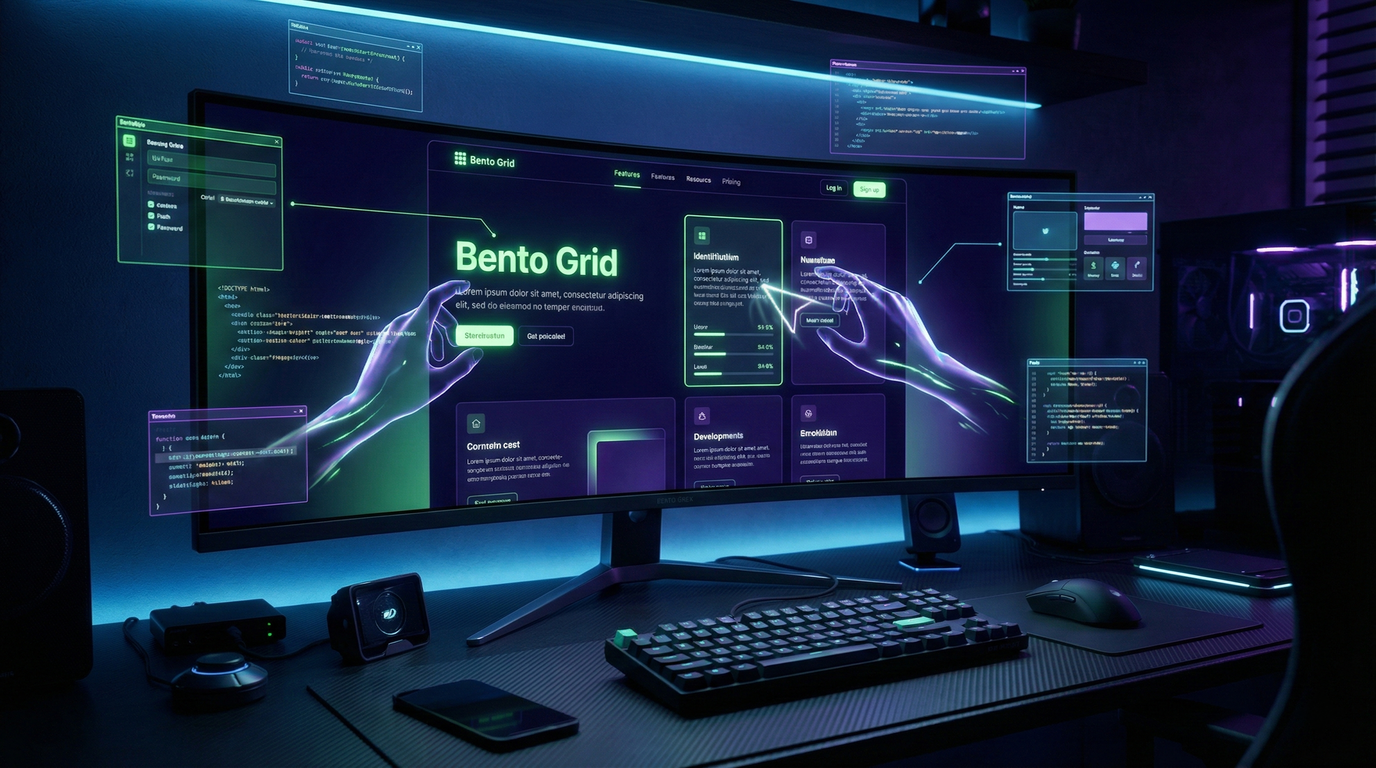
- Moodboard Like a Thief: Use sites like Mobbin, Dribbble, or Superhero to find high-end UI inspiration. Look for “Bento Grids,” “Hero Sections,” and “Feature Cards.”
- Screenshot to Code: Take a screenshot of a design you love. Feed it into an AI tool like Aura or Stitch (powered by Gemini 3).
- The Remix: Don’t copy. Instruct the AI to “Adapt this layout but change the theme to organic orange juice brand,” or “Use a dark mode SaaS aesthetic with neon green accents.”
- Inject the Details: This is where you win. Ask for specific libraries like “Use Iconify Solar icons” or “Use Newsreader font.” These specific technical prompts force the AI to use high-quality assets instead of generic placeholders.
Why This Matters
High-quality website templates sell for
50−50−
100 a pop on marketplaces like Webflow or Framer. Designers used to spend weeks building one. Now? You can generate, refine, and polish a template in hours.
The barrier to entry for creating “expensive-looking” design has collapsed. The new skill isn’t moving pixels; it’s curating taste and knowing the right technical vocabulary (e.g., “Add a marquee animation to the logo strip,” “Make the buttons pill-shaped with a 1px beam border”).
The “God Mode” Workflow
- Start with the Hero: Spend 50% of your time here. It’s the money shot.
- Iterate with “Touch Edit”: Don’t regenerate the whole page if one thing is wrong. Select the specific element (like a button) and prompt: “Make this green on hover.”
- Build a Library: Generate specific components (pricing tables, navbars, footers) and assemble them like Lego bricks.
This is the industrial revolution of digital design. You are no longer a bricklayer; you are the architect of the factory.